Construction Fence Screen vs. Privacy Windscreen: Which Does Your Job Site Need?

Key Takeaways:
-
Construction fence screens serve dual purposes: branding and site aesthetics, while privacy windscreens prioritize security and wind protection
-
Material density is the main differentiator, with privacy screens using tighter mesh to block visibility and reduce wind
-
Urban sites and government contracts often require privacy windscreens for compliance, while commercial projects benefit from branded construction fences
- You can combine both by using privacy mesh with logo overlays for maximum functionality and brand visibility
Walk past any active construction site today and you'll notice something: those temporary chain-link fences aren't just bare metal anymore. They're dressed up with colorful screens, company logos, or solid barriers that keep prying eyes out. These aren't just for show. Fence screens have become critical tools on modern construction sites, serving multiple functions that go way beyond making your site look professional.
Whether you're dealing with safety concerns, trying to control dust on a windy day, promoting your brand to thousands of daily passersby, or meeting strict compliance requirements, the type of screen you choose matters. The problem? Many contractors and project managers don't realize there's a significant difference between a standard construction fence screen and a privacy windscreen. Picking the wrong one can mean wasted money, compliance headaches, or missed branding opportunities.
Let's break down exactly what each type does, when to use them, and how to make the smartest choice for your project.
What is a Construction Fence Screen?

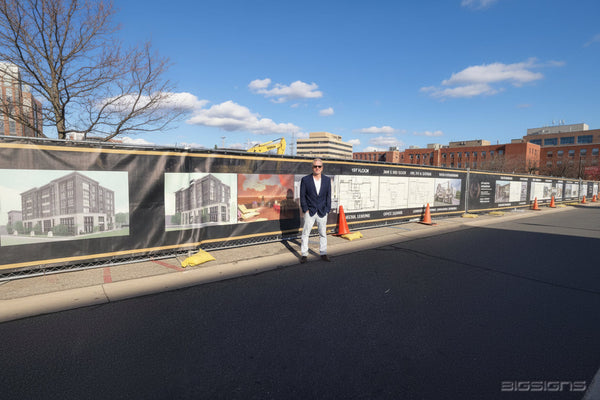
A construction fence screen is exactly what it sounds like: a mesh or vinyl banner designed to attach to temporary chain-link fencing around your job site. These screens typically feature your company logo, contact information, project renderings, or even decorative patterns that improve the site's appearance.
The material is usually a lighter-weight mesh (think 8-10 oz vinyl-coated polyester) with small perforations that allow some airflow. This breathability is actually a feature, not a bug. It prevents the screen from acting like a sail in heavy winds, which could damage your temporary fencing structure.
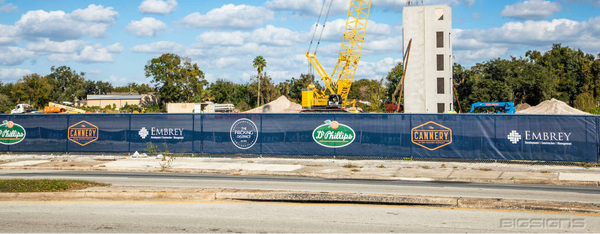
Most contractors use these for branding purposes. When your project sits on a busy street corner for six months, that's serious advertising real estate. A well-designed construction mesh fencing screen turns every passing driver, pedestrian, and nearby business into a potential customer. For developers working on high-visibility projects like mixed-use developments or retail centers, these branded construction fences serve as 24/7 marketing billboards.
The installation is straightforward too. Most screens come with grommets or zip-tie channels that make attaching them to chain-link fence a quick job, even for a small crew.
What is a Privacy Windscreen?

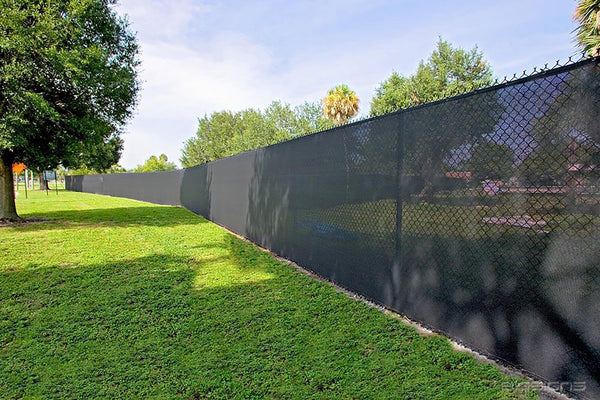
Now let's talk about privacy windscreens, which are a different animal altogether. These use much denser mesh or fabric (often 12-14 oz or heavier) specifically engineered to block line-of-sight into your work area. The tighter weave also creates an effective wind barrier, which is why they're sometimes called windscreen for job sites.
Think of it this way: if a construction fence screen is like a t-shirt (breathable with some visibility), a privacy windscreen is more like a tarp (solid coverage that blocks what's behind it). You typically see these on urban job sites where neighboring properties need protection from dust and debris, government projects with security requirements, or anywhere the contract specifically calls for visual screening.
Privacy windscreens serve several important functions:
-
They create a true visual barrier, keeping curious onlookers from watching your work or taking unauthorized photos
-
They significantly reduce wind speed across your site, which helps with dust control
-
They add a layer of security by making it harder to assess what equipment or materials are on site
- They dampen noise slightly better than lighter mesh options
Many municipalities actually require these for construction projects in residential neighborhoods to minimize the impact on nearby homes.
For near-complete visual blocking outdoors, our Privacy98® high-opacity screen offers 98% opacity. Privacy100® gives 100% opacity but is made for indoor use only.
Key Differences Between Construction Screens and Privacy Windscreens
Let's get specific about what sets these two apart.
Material Composition
The material difference is huge. Standard contractor signage uses lighter mesh that's designed for graphics and visibility. You want people to see your logo clearly, which means the material needs to accept printing well. Privacy screens prioritize opacity over printability. The denser weave means custom graphics don't always pop the same way, though modern printing techniques have improved this significantly.
Primary Purpose
Ask yourself: what's your main goal? If the answer is "I want everyone driving by to know who's building this," you need a construction fence screen with bold branding. If the answer is "I need to keep dust contained and prevent people from seeing into the site," privacy windscreen is your answer. It really comes down to whether marketing or security is your top priority.
Cost Considerations
Privacy windscreens generally cost more per square foot because of the heavier material and denser construction. However, they also tend to last longer in harsh conditions. A lighter construction screen might need replacement after a single severe storm season, while a quality privacy screen can survive multiple years of exposure. When you factor in replacement costs, the price gap narrows.
Durability in Different Conditions
Lighter mesh screens are great for moderate climates but can tear more easily in high-wind situations or if debris hits them. Privacy windscreens handle punishment better but put more stress on your fence posts because they catch more wind. This is why proper installation with reinforced posts becomes critical when using privacy screens on longer fence runs.
Custom Print Options
Here's where construction fence screens really shine. The lighter mesh accepts full-color digital printing beautifully. You can reproduce complex logos, photo-realistic project renderings, and detailed contact information. Privacy screens can be printed on, but the results may not be as vibrant. Many contractors opt for simpler designs (solid colors with cut vinyl lettering) when using privacy mesh to avoid disappointment.
Compliance Considerations
Both types can help you meet various compliance requirements, but in different ways. OSHA-compliant fence signage (like required safety notices) can be applied to either type. However, privacy windscreens specifically help meet dust control regulations that are increasingly common in urban areas. Many cities now require job site fencing that reduces particulate escape, and a dense privacy screen checks that box while a lighter mesh might not.
For job sites that need branded perimeter coverage with full-color logo printing, the DuraMesh printed vinyl mesh fence screen pairs vibrant graphics with roughly 35% airflow so the lighter mesh delivers branding without acting like a sail in heavy wind.
When to Use Each Type
Choosing the right option really depends on your specific project needs, so it helps to compare the full range of construction fence screen options, from breathable branded mesh to high-density privacy screens, before you commit.

Commercial vs. Residential Projects
Big commercial developments, especially retail or mixed-use projects, almost always benefit from branded construction fences. These projects rely on pre-leasing or generating buyer interest, and a professional fence screen with project renderings and leasing contact info becomes an essential marketing tool. You're paying for that fence anyway, so why not make it work double duty?
Residential projects in established neighborhoods, on the other hand, often require privacy windscreens. Your neighbors don't necessarily want to stare at construction activity for months, and many HOAs or local ordinances actually mandate visual screening. A custom printed construction windscreen with subtle branding can work here, but privacy is the priority.
Urban vs. Open Sites
Urban job sites face unique challenges: tight quarters, nearby pedestrians, dust complaints, and security concerns. Dense urban construction requires privacy windscreens almost by default. The combination of wind reduction and visual blocking makes everyone's life easier, including your own crew who won't be dealing with as much dust blowing back onto the work area.
Open sites in less populated areas? Construction fence screens make more sense. You're not worried about bothering neighbors, but you do want passing traffic to see your company name. This is especially true if your site fronts a major highway where thousands of potential customers will see your work every day.
When Branding is Essential
Some projects demand high visibility branding:
-
Developer projects where securing tenants or buyers is urgent
-
Public-facing work where the general contractor wants to showcase their portfolio
-
Projects funded by specific entities that require their logo presence
- Competitive markets where brand recognition directly impacts future bid opportunities.
When privacy is the priority, look for a screen rated at 85% or higher opacity with reinforced hems that can withstand months of exposure - FenceFabMax™ fabric fence screen hits that mark with 85% job-site concealment, Dura-Guard™ reinforced hems, and 50% airflow to reduce wind stress on temporary fencing.
BIGSIGNS offers a full range of fence screens and windscreens designed specifically for construction, athletic, and commercial applications
Can You Combine Both?

Absolutely, and many smart contractors do exactly this. The hybrid approach uses a privacy mesh base with custom vinyl graphics applied over top. You get the functional benefits of wind and dust control plus the marketing advantages of visible branding.
This works particularly well on large developments where different fence sections serve different purposes. You might use a solid privacy windscreen along residential boundaries to keep neighbors happy, while using branded screens along the street-facing sides to maximize visibility. Some projects even alternate sections: privacy screen for three panels, branded screen for three panels, creating visual interest while maintaining functionality.
Another popular approach is using a privacy mesh for the majority of your perimeter, then installing a smaller construction signage panel at entry points with key project information and branding. This gives you 90% of the privacy and wind protection benefits while still identifying your company to visitors and passersby.
The cost is higher than choosing one or the other, but for projects where both branding and privacy matter, it's often the perfect solution. Just make sure your fence installation is robust enough to handle the additional weight and wind load of denser materials.
Making Your Final Decision
So how do you actually choose? Start by asking these questions:
-
What do your contract documents require? Some projects specify privacy screening in the scope. Don't assume you have a choice.
-
What are the local regulations? Check with your city's building department about dust control and screening requirements.
-
How visible is your site? A project on a major thoroughfare with 50,000 cars passing daily has different branding value than one on a side street.
-
What's your project timeline? Longer projects justify the investment in custom printed construction windscreen or durable privacy screens. Short projects might go with basic options.
-
What's your budget? Be realistic about what you can spend, but remember these screens often pay for themselves through either marketing value or reduced cleanup costs from better dust control.
For help determining exactly what construction mesh fencing specifications you need, consulting with a signage expert like BIGSIGNS who understands construction requirements makes a huge difference. They can help you balance compliance, functionality, and budget.
Conclusion: Choose the Right Screen for Your Project Success
The difference between construction fence screens and privacy windscreens isn't just technical, it's about matching the right tool to your project's specific needs. Standard screens excel at branding and site aesthetics, perfect for commercial projects where visibility matters. Privacy windscreens deliver security and wind protection, essential for urban sites and residential areas.
Consider your project location, timeline, compliance requirements, and marketing goals. Don't be afraid to mix approaches if your site would benefit from both privacy and branding. The investment in quality durable construction fence screens pays dividends through improved site management, reduced complaints, and valuable brand exposure.
Ready to find the right fence screen for your project? Explore our complete construction fence screen collection with mesh, privacy, and logo-printed options for any job site
For a deeper dive into requirements and best practices, check out our construction signage compliance and branding resources.
Frequently Asked Questions
1. How long do construction fence screens typically last?
BIGSIGNS construction fence screens and privacy windscreens are rated for 24 to 48 months outdoors for budget poly screens, 36 to 60 months for vinyl mesh such as DuraMesh, and 84 months or more for PerfectScreen80, depending on material weight and weather exposure. UV resistance in the material significantly affects longevity.
2. Can I reuse fence screens on multiple projects?
Yes, if you choose durable materials and generic branding. Screens with project-specific information (like addresses or "Coming Soon" messaging) obviously don't transfer well. Many companies invest in screens with just their logo and contact info that can move from site to site. Just inspect for damage before reinstalling.
3. Do privacy windscreens really reduce dust that much?
Studies show dense privacy screens can reduce airborne particulates leaving a site by 70-85%. The actual reduction depends on screen density, proper installation with minimal gaps, and overall site management practices. They're not magic, but they make a measurable difference, especially when combined with other dust control methods.
4. What printing method works best for custom construction screens?
Digital dye-sublimation printing produces the most vibrant, detailed results on mesh materials and holds up well in outdoor conditions. For privacy screens, screen printing or cut vinyl lettering often works better than digital printing due to the material's texture. The right method depends on your design complexity and material choice.
5. Are there fire safety concerns with vinyl fence screens?
Modern construction fence screens use flame-resistant materials that meet industry standards. Look for products that comply with NFPA 701 fire testing standards. This is particularly important on commercial projects where fire marshal inspections are routine. Always check your local requirements as some jurisdictions have specific mandates.
Recommended Signage & Graphics for Construction Projects
Not sure which signage or graphic products are best for your job site? Use this quick guide to match our most popular construction solutions with your specific needs.
| Use Case / Area | Recommended Product Types |
|---|---|
| Perimeter Branding | Fence Screens (LogoScreen®, DuraMesh), Windscreens |
| Job Site Safety | Directional Signs, Floor Decals |
| Promotions / Visibility | Pole Banners, Building Wraps, Wall Graphics |
| Company Branding | Lobby Signs, Wall Logos, Window Graphics |
| Temporary Messaging | Curb Signs |
| Ground Applications | Floor Graphics |
Ready to Get Started?
Explore our complete selection of construction fence screens or request a free quote for your job site. Our team can help you choose the right material, size, and printing options for your project.

Ready to see your design?
Tell us what you're branding and send your logo. We'll send a free digital mock-up and a quote.
Prefer to talk? Call 800-790-7611
Get A FREE Mock-Up & Quote
Let customers speak for us
The fence scrim was well received on the site. The Superintendent said it was the nicest scrim he's ever had. Great job!
Hi Mario, thanks for following up. The graphic looks great and we are very happy with the results. Thanks so much for the easy process and great service.
Thank you so much!
Everybody loves the product, so we expect to get some more.

It looks great- and the quality is way better than expected. Sorry it was a bit of a hassle. Thanks again!!!

We ordered windscreens to help advertise our new residential development, and they turned out great. Todd Simms was extremely helpful every step of the way—whether it was design, shipping, or answering any questions we had. Overall, excellent customer service and a great product.
Corey I want to thank you for your patience throughout this entire process. You have been fantastic and I am extremely excited to see how these look. Thank you so much.

I chose BIGSIGNS because I was impressed that they have worked with major colleges all over the U.S., and their prices were very reasonable. I absolutely loved working with Mario in sales. I'll admit, I probably wasn't the easiest customer due to my indecisiveness, but he was incredibly patient and helped make the process smooth from start to finish. The team completely nailed our project, and I already recommended them to others. The final result over-exceeded my expectations. This was a big-time project for a smaller school, and my goal was to have people see it and be wowed. Mission accomplished!

Mario, we used the banner as a backdrop for a trade show last weekend. It was a huge success!
We received our step and repeat a couple of days ago and it turned out great!!!! Thank you for your patience working with me until I made a decision on a design. We actually took it to a job fair yesterday and had people comment on it. In fact, I just sent your contact information to a gentleman from Amherst ISD. His name is Jose Gonzales. I hope he contacts you because he seemed very interested. I will definitely refer others to you in the future as well. Once again, thank you for all you did for us. I know we will get many uses out of it.Thanks- Jarod

Let me start off by saying the signage is even more impressive in person than in your brochures or mock ups, which is hard to do. I love most everything about it. Also appreciate you guys busting your ass to get it done for our regionals tomorrow. You should feel free to use me as a reference if desired. The back of the scoreboard was done as well and looked fantastic. The back of the dugout was also done and looked great. Pretty impressive really. Thanks
Over 400,000 runners will cross a Rock n Roll Marathon or 1/2 Marathon finish line, all of them crossing a BigSigns GatorAd finish line, specially formulated as non-slip safe no matter the weather! Thank you, BigSigns!

BIGSIGNS's ModStar gave us the ease of use, customization, and portability we needed. Modstar displayed sponsors for all seventeen nation-wide Game Breakers events; we are now repurposing the existing frames with new branding for our Copa-de-Calle events.

Just wanted to let you know HOW FANTASTIC the banner is. We have had so many compliments on this banner. Thank you!!!

This is Stevie Medina with the Raton Tiger booster club over in Raton. I just wanted to say thank you for those on deck circles. They're amazing. We gave them out to the softball team and the baseball team. And they were super stoked to get them. They loved them. A lot of the kids like, what are those? Those are so cool. Those are so neat. So they really got a kick out of them. Appreciate you. How quickly you guys turn those around. Boy, we had them super fast. I just wanted to say thank you. Thank you much. And no need to return my phone call. I just wanted to let you know that we're enjoying them. And we appreciate all your help on it.

Ordered a door skin for our volleyball program. Customer service department was great ensuring the order was completed correctly in the end. Design team was accommodating with changes & requests to create a great final product!