


Inspect the Fence Before Installation
Before installing your windscreen, walk the fence line and inspect the structure carefully. Windscreen and privacy screen materials create additional wind load. A fence that is strong enough to stand on its own may not always be strong enough to carry a screened panel in wind.
Your chain link fence should be:
- Properly tensioned
- Securely anchored
- Free of damaged posts or loose rails
- Structurally capable of handling additional wind load
Never install windscreen on unstable or damaged fencing. Adding screen material to a compromised fence is one of the most common causes of fence collapse, bent rails, and pulled posts during high-wind events.
Choosing the Right Attachment Hardware
The fastener you choose matters as much as the windscreen itself. The wrong tie can fail quickly in outdoor conditions, while the right fastener can help extend the life of the screen and protect the fence structure.
Recommended Fasteners
| Hardware | Best For | Notes |
|---|---|---|
| Heavy-duty UV-rated zip ties | Most installations | UV inhibitors are critical. Non-UV ties can degrade quickly in sunlight. |
| Stainless steel hog rings | High-traffic and athletic facilities | Long lifespan; requires a hog ring tool. |
| Nylon locking ties | Standard installs | Use UV-rated ties only. Avoid white or clear ties without UV inhibitors. |
| Bungee ball ties | High-wind applications | Allow controlled movement and reduce stress on grommets. |
Pro tip: Use a two-strength zip tie pattern. Use lighter 50 lb ties along the top and upper sides, and heavier 120 lb ties along the bottom and lower sides. In a severe wind event, the lighter top ties can break first, allowing the panel to fold rather than tearing the screen or pulling the fence down.
Recommended Attachment Spacing
Attachment spacing is one of the most important parts of a successful installation. If fasteners are spaced too far apart, the screen can sag, flap, and wear prematurely. If the screen is pulled too tightly, the grommets and hems can tear.
| Product Type | Recommended Spacing | Notes |
|---|---|---|
| Standard vinyl mesh windscreen | Every 12–18 inches | Default recommendation for most athletic and commercial installs. |
| Fabric mesh fence screen | Every 18–24 inches | Lighter material usually requires less tension. |
| High-wind environments | 12 inches or tighter | More fasteners help distribute wind load. |
| Temporary construction fence | Looser spacing with slightly less tension | Allows panel movement and reduces fence stress. |
Always secure:
- Every grommet
- Every corner
- Every reinforced hem
Skipping a grommet concentrates stress on the next attachment point. That is usually where the first failure begins.
High-Wind Installation Best Practices
Coastal, plains, open-field, and stadium-top installations require additional attention. The same panel installed the same way may last for years in one environment and fail quickly in another. Installation technique and mesh selection make a major difference.

Allowing slight movement helps reduce:
- Wind stress
- Fence damage
- Grommet pull-out
- Zip tie breakage
- Hem tearing
The screen should be secure, but not rigid.

High-wind installations benefit from:
- Reinforced hems
- Webbing-reinforced edges
- Additional corner reinforcement
- Stronger bottom and lower-side fasteners
- More frequent inspections

Higher airflow fence screen materials reduce wind stress on the fence.
As a general rule:
- 35% wind pass-through performs better in high-wind conditions.
- Lower airflow privacy screens, such as 90% block materials, create greater wind resistance and require stronger fencing.
If your site experiences sustained winds above 30 mph, speak with a BigSigns specialist about mesh selection before ordering.

Installing on Temporary Construction Fence Panels
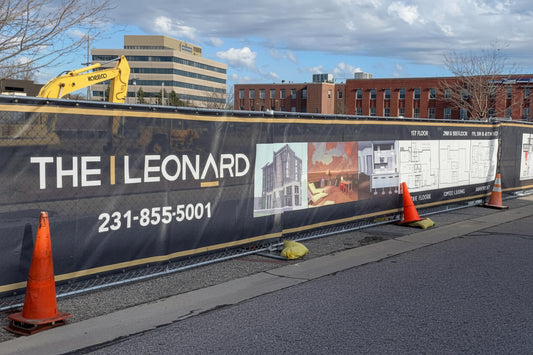
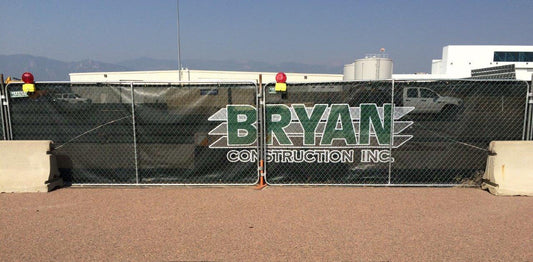
Temporary construction fencing moves more than permanent chain link fencing and should be installed differently.
Temporary fence panels are not anchored the same way as permanent fences. They sit in feet, lean on rails, and can shift due to wind, equipment traffic, and job site activity.
For temporary construction fence panels:
- Use lighter tension
- Allow slight panel movement
- Use heavy-duty UV-rated zip ties
- Inspect ties periodically
- Avoid over-tightening corners
- Replace broken or worn ties immediately
Treating temporary fence panels like permanent chain link fencing can bend panel frames, tear out grommets, and shorten the life of the screen.
Installation by Application
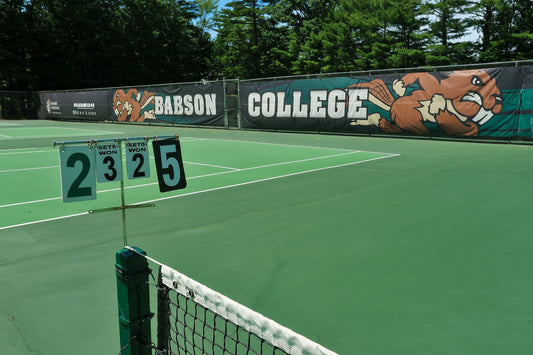
Tennis and Pickleball
Recommended product category:



Baseball and Softball
Recommended product pages:
Football, Soccer, and Stadium Installations
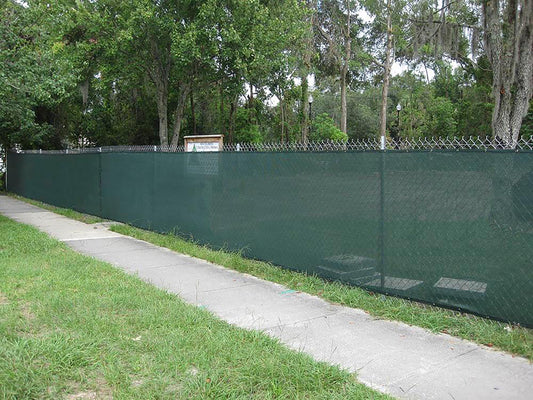
Construction and Job Site Fence Screen
Recommended product category:

High-Wind Installation Best Practices
-

Remove ties carefully without damaging the hems.
-

Clean off dirt and debris with a soft brush.
-

Rinse with water and mild biodegradable dish soap if needed.
-

Allow the material to dry completely.


-

Roll the screen loosely.
-

Avoid tight folding, which can permanently crease the material.
-

Store indoors in a dry, climate-controlled environment.


Common Installation Mistakes to Avoid
-

Over-Tightening the Screen
Over-tightening causes grommet tear-out, excess wind stress on the fence, and premature material failure. The screen should flex slightly in wind. That movement is a feature, not a flaw.
-

Fastener Spacing Too Wide
Fasteners that are spaced too far apart can cause sagging, flapping, uneven stress distribution, and accelerated wear at the remaining attachment points.
-

Installing on Weak Fence Structures
Installing windscreen on a weak fence can lead to fence failure, bent rails, and pulled posts. This damage is rarely covered by warranty because the underlying fence structure was not suitable for the added wind load.
-

Ignoring Wind Load
Large printed fence screens can create significant wind resistance. A 100-foot printed banner or screen should not be treated like ordinary fence material. It can act like a sail in strong wind.
-

Installing on the Wrong Side of the Fence
Screens should attach to the chain link side of the fence, not the post side. Installing on the post side can cause the material to rub against poles and wear prematurely.


